


Time creates distance between a person and their traumatic experiences. This can make it easy to believe that as more time passes, the effects of trauma will gradually fade away.
Unfortunately, the opposite is often true.
Trauma doesn’t typically resolve itself on its own, and leaving it unresolved can actually allow its effects to worsen over time. Even after someone’s immediate symptoms become less noticeable, the long-term effects of trauma can continue to harm them in ways they aren’t fully aware of.
In this guide, we’ll take a look at what happens when trauma is left untreated, what its long-term effects are, and how someone can start to truly heal from it.
What Happens When Trauma Doesn’t Get Treated?
Many of us understand that healing from trauma is important, but we might not fully understand why. It can seem like the effects of trauma weaken over time, so why go through the effort of treating it?
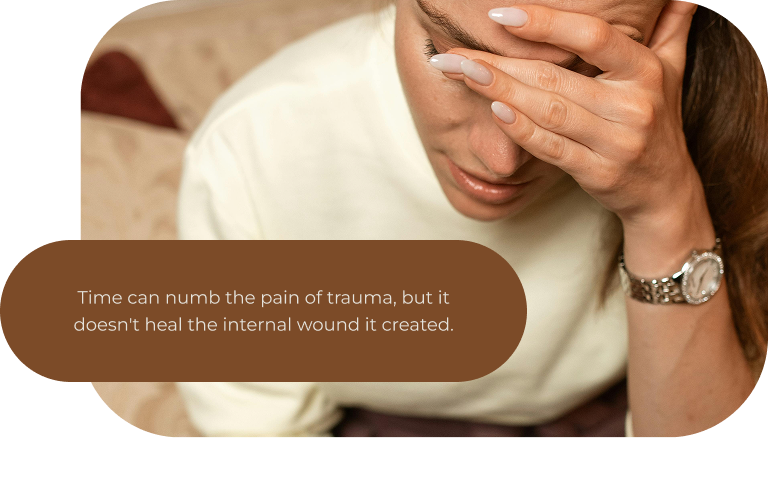
You may have heard the old saying, “time heals all wounds.” A more accurate version might be “time numbs all wounds,” and this is often true for trauma as well. Over time, the noticeable pain from a traumatic experience may lessen, but the wound it created can continue to harm you until it’s properly treated.
Effects of Untreated Trauma
While untreated trauma can affect people in unique ways, here are some of the common red flags to look out for:
- Anxiety, depression, emotional dysregulation, or PTSD
- Avoidance of people, places, or situations linked to trauma
- Dissociation, depersonalization, or derealization
- Difficulties forming healthy relationships
- Harmful behaviors used to cope with difficult emotions (e.g., substance use, self-harm)
- Intrusive memories, flashbacks, or nightmares of past experiences
If you notice any of these red flags in yourself or a loved one, then it’s a sign that there’s still unresolved trauma that needs attention. Reaching out to a mental health professional is an important first step towards reclaiming control over trauma.
At Verdant Hope, we offer trauma therapies that heal the underlying trauma that’s still affecting you. Our highly-trained clinicians are here to help you reclaim control so you can start living the life you deserve.
Learn more about treating trauma at Verdant Hope, and get to know two of our compassionate clinicians: Paul Collins and Michelle Prem.
What Are the Long-Term Effects of Trauma?
One of the clearest ways to see the long-term effects of trauma is by looking at someone’s trauma responses. Trauma responses are automatic survival mechanisms that kick in when the brain perceives a threat or encounters stress, and there are four main types:
- Fight: Helps someone face the threat and regain control (e.g., defensiveness, controlling behaviors)
- Flight: Helps someone escape the threat (e.g., using distractions, avoiding conflicts)
- Freeze: Helps someone hunker down and outwait the threat (e.g., procrastination, emotional numbing)
- Fawn: Helps someone appease the threat (e.g., people pleasing, ignoring personal needs)
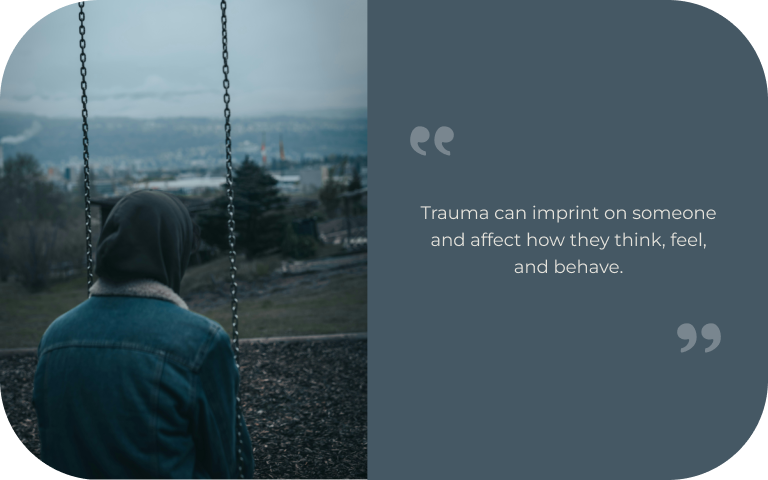
These trauma responses help us see how trauma can imprint on someone and influence how they respond to stress. However, this is only one piece of the puzzle. Specific forms of trauma can affect people in unique ways and lead to distinct long-term effects.
Long-Term Effects of Emotional Trauma
Emotional trauma can come from both isolated and prolonged situations that cause intense emotional pain, such as neglect, bullying, or loss of a loved one. Some of the long-term effects of emotional trauma include:
- People-pleasing and boundary struggles
- Difficulty identifying, expressing, or managing emotions
- Heightened sensitivity to criticism
- Fear of vulnerability or rejection
- Persistent shame or guilt
People who carry emotional trauma tend to feel lost in life. They may constantly second-guess their decisions, put others' needs before their own, and struggle to trust their feelings or know what they truly want. Without healing the emotional wound at the root of these issues, it can be hard for someone to feel confident in who they are and what they need.
Long-Term Effects of Childhood Trauma
Childhood trauma often comes from adverse childhood experiences (ACEs), such as experiencing abuse, witnessing violence or abuse, or growing up in a dysfunctional home. Some of the long-term effects of childhood trauma include:
- Self-esteem issues
- Harmful behaviors, such as self-harm or substance use
- Difficulty with conflicts and confrontation
- Difficulty trusting, connecting with, or being vulnerable around others
- Depression, anxiety, persistent stress, or post-traumatic stress disorder (PTSD)
Traumatic experiences aren’t always stored in the brain like ordinary memories. This is especially true for traumatic experiences during childhood, as children don’t have the skills they need to process trauma in a healthy, constructive way.
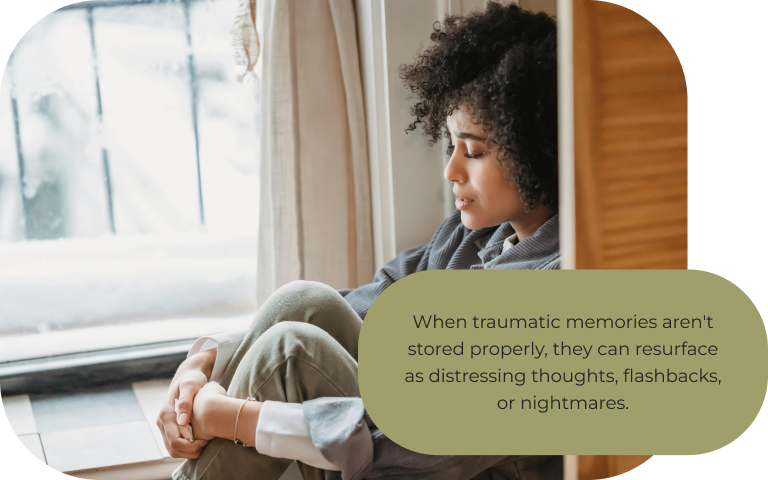
When traumatic memories aren't stored properly, they can resurface later in life as distressing thoughts, flashbacks, or nightmares. Certain trauma therapies, like EMDR, help the brain reprocess these experiences so they lose their intensity.
Should I Get Therapy for My Trauma?
Since trauma can continue to harm someone until it’s fully resolved, it’s always recommended to seek professional help. Trauma therapy isn’t just for those with severe symptoms either; it can help anyone who could benefit from:
- Understanding how past trauma may still be affecting them
- Healing and stopping the long-term effects of trauma
- A safe, supportive environment to process traumatic experiences
- Learning healthy coping mechanisms for dealing with trauma
- Feeling safe, confident, and in control again
Some mental health practices, like Verdant Hope, provide trauma-informed therapy. This approach recognizes that trauma is often at the root of many everyday struggles, and it teaches people healthier ways to cope with it.
Clients in trauma-informed therapy also process traumatic experiences at their own pace to protect their emotional safety and prevent retraumatization.
Is There Therapy for Childhood Trauma as an Adult?
Yes, there are many different forms of therapy for childhood trauma, and it’s never too late to start healing. Some of the therapeutic modalities that are commonly used to heal childhood trauma include:
- Trauma-Informed Therapy: Recognizes the impact of trauma on a person’s life and emphasizes safety, empowerment, and collaboration during the healing process
- Eye Movement Desensitization and Reprocessing: Uses the brain’s natural functions to reprocess traumatic memories in a safe, structured way
- Internal Family Systems: Helps someone understand and harmonize the different “parts” of themselves to promote healing, self-awareness, and emotional balance
- Cognitive Behavioral Therapy: Helps people identify and change unhelpful thought patterns and behaviors
- Dialectical Behavior Therapy: Combines CBT strategies with mindfulness to help people regulate emotions, improve relationships, and cope with distress
Each of these therapeutic approaches heal childhood trauma in a specific way, and you may find that some approaches work better for you than others. Meeting with a mental health professional can help you determine which therapies are right for you and your healing journey.
Start Your Trauma Healing Journey at Verdant Hope
At Verdant Hope, we believe everyone’s story, strengths, and challenges are unique to them, and their path to healing should reflect that. We work closely with each client to explore how past trauma may still be affecting them and design a treatment plan that respects the full complexity of their story.
Reach out today to connect with one of our compassionate team members and take the first step towards the life you deserve.


Take the First Step
Your journey to better mental health starts here. Reach out today to connect with a mental health professional and take the first step toward the life you deserve.