


Not everyone has the capacity to fully care for someone else in their time of need. Doing so requires unwavering compassion, empathy, and support—but what happens when there’s nothing left to give?
People who spend a lot of time caring for others can eventually reach a tipping point where they feel completely drained of their emotional energy. This unique form of exhaustion is known as compassion fatigue, and when left unmanaged, it can take a serious toll on nearly every area of someone’s life
In this guide, we’ll take a look at what compassion fatigue is, where it comes from, and how to prevent it.
What Is Compassion Fatigue?
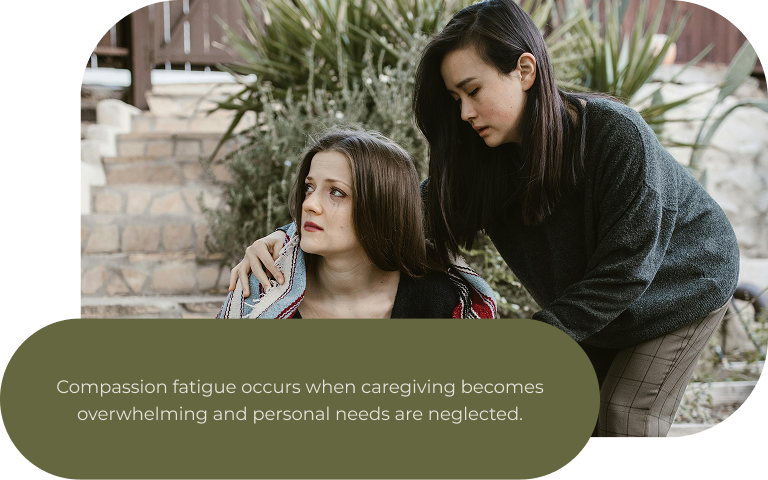
Compassion fatigue is often referred to as the cost of caring because it affects people who regularly offer empathy and emotional support to others. It usually occurs when someone is overwhelmed with caregiving responsibilities and sacrifices their own needs to take care of others.
This form of fatigue is unique because it exhausts people on an emotional level. Once compassion fatigue starts to set in, it can be much more difficult for someone to connect with others emotionally and provide the same level of compassionate care that they once could.
Compassion Fatigue Symptoms
While compassion fatigue can affect people in unique ways, here are some of the common symptoms to look for:
- Emotional numbness
- Irritability
- Detachment
- Hopelessness
- Anxiety
- Physical and mental fatigue
These symptoms can develop quickly if someone continuously offers emotional support to others without giving themselves enough time to fully recharge. Just as someone would need to give their body time to recover after an intense workout, they’d also need to give their emotional batteries time to recharge after pouring so much emotional energy into supporting others.
What Does Compassion Fatigue Look Like?
The effects of compassion fatigue can extend far beyond limiting someone’s ability to connect emotionally with others. It can affect nearly all aspects of someone’s life, and the warning signs are noticeable if you know what to look for:
- Feeling overwhelmed by situations that were once manageable
- Appearing emotionally closed-off or isolated from others
- Growing dread and avoidance of caregiving or helping responsibilities
- Loss of enjoyment in personal interests, hobbies, and activities
- Increased self-criticism or feelings of ineffectiveness
It can be hard for someone to recognize the signs of compassion fatigue. At first, they may mistake it for ordinary stress or burnout, and over time, it can be difficult to acknowledge that their empathy and compassion are the source of their struggles.
If you start to notice these signs in yourself or someone else, then there’s a good chance that their emotional batteries are drained and they need help. Catching compassion fatigue early can give someone the time they need to properly recover and prevent their symptoms from worsening.
Compassion Fatigue vs Burnout
Compassion fatigue and burnout share many of the same symptoms, such as fatigue, irritability, emotional numbness, and hopelessness. This makes it easy to confuse compassion fatigue for burnout, and to add to the confusion, it’s even possible to experience both at the same time.
One of the biggest differences between these two conditions is what actually causes them. While burnout can come from any situation that puts someone under prolonged stress and exhaustion, compassion fatigue specifically comes from caregiving and emotionally supporting others.
Another important difference between compassion fatigue and burnout is how quickly their symptoms can develop. Burnout almost always sets in gradually over an extended period of time, whereas compassion fatigue can develop and intensify quite suddenly, sometimes even after a single, intense period of caregiving.
Who Is at Risk for Compassion Fatigue?
Anyone who is frequently exposed to other people’s suffering or spends a lot of time emotionally supporting others is at risk for developing compassion fatigue. Naturally, this means that certain professions come with a high risk for compassion fatigue, including:
- Healthcare professionals
- Mental healthcare providers
- Social workers
- First responders and certain military personnel
- Humanitarian aid workers and volunteers
- School teachers and counselors
Other circumstances can increase someone’s risk for compassion fatigue. For example, compassion fatigue is common in parents and caregivers of someone with a chronic illness or a disability. It can also develop over time in one-sided relationships, where one person heavily relies on the other for emotional support without reciprocating.
How Do I Get Over Compassion Fatigue?
Many people with compassion fatigue, whether it’s due to their job or a personal obligation, aren’t in a position where they can suddenly stop caregiving or offering emotional support. This isn’t the only solution; there are effective ways to prevent compassion fatigue while still being able to show up in the lives of others.
How to Prevent Compassion Fatigue
Preventing compassion fatigue starts with offering compassion to yourself. It’s important to recognize that you have needs too, and the only way to fully care for others is by taking the appropriate steps to care for yourself.
Self-care often gets neglected in caregiving roles, and this is usually what opens the door to compassion fatigue. To practice self-care and prevent compassion fatigue, make sure you:
- Get adequate sleep
- Eat a nutritious diet
- Dedicate time to rest and recovery
- Make time for fun, enjoyable activities
- Set healthy boundaries
- Avoid self-medicating with unhealthy habits and substances
In addition to self-care, one of the most effective ways to prevent compassion fatigue is to ask for help as soon as possible. Help can come in many forms, whether it’s someone who can offer practical advice, serve as an emotional outlet of your own, or simply check in on you and your wellbeing.
At Verdant Hope, we offer professional support for compassion fatigue. Our treatment approach gives you the space you need to process your emotions and teaches you helpful strategies for preventing compassion fatigue, burnout, and overwhelm.
Learn more about how we prevent compassion fatigue here at Verdant Hope, and get to know one of our caring clinicians: Paul Collins.
How to Deal With Compassion Fatigue
It’s always best to address compassion fatigue as soon as you notice it, rather than waiting until it becomes too much to handle. To manage compassion fatigue in the moment, you can:
- Take a quick break to mentally and emotionally reset
- Practice mindfulness, such as breathing exercises, meditation, and journaling
- Briefly change your environment by taking a walk or stepping outside
- Refuse to take on additional caregiving responsibilities (when possible)
- Reach out to someone you trust for quick emotional support
The goal of these strategies is to quickly lessen your emotional burden and stop compassion fatigue from taking hold. Seeking support from a mental health professional can help you identify when compassion fatigue starts to set in, and they can teach you personalized strategies for managing it effectively.
Preventing Compassion Fatigue at Verdant Hope
As mental health professionals, we understand how important it is to give compassion, empathy, and genuine emotional support when others are going through difficult times.
However, we also understand the importance of self-care, mindfulness, and stress management. These skills protect your own wellbeing and help you continue to show up fully when others need you most.
If you or a loved one is experiencing compassion fatigue, reach out today to connect with one of our mental health experts. We’re here to help you feel grounded, empowered, and in control of your life again.



Take the First Step
Your journey to better mental health starts here. Reach out today to connect with a mental health professional and take the first step toward the life you deserve.