


Parenting is a joy, but it’s also relentless. When the emotional, physical, and mental demands of being a full-time parent outweigh the support and personal ability, parental burnout can develop.
Parental burnout is a state of chronic physical, emotional, and mental exhaustion caused by prolonged parenting stress without adequate support or recovery. It is not a personal failure, but a response to sustained overload.
In this article, we’ll cover everything there is to know about parental burnout symptoms, the signs of parental burnout, who is at risk, and how to recover.
Parental Burnout Symptoms
Parental burnout goes beyond everyday stress. It develops gradually and affects how parents feel, think, and function. It affects a parent’s quality of life and can cause major issues.
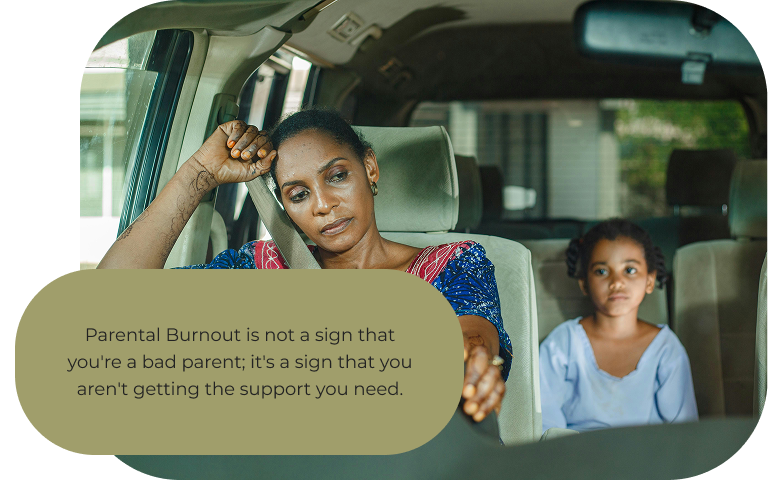
Extreme Exhaustion
Being tired comes with the territory of being a parent, especially during the first year or two of raising a child. Good sleep often isn’t an option, but there’s a limit to how tired someone can be.
Parents experiencing burnout feel drained the moment they wake up, and no amount of sleep, if they can get it, feels restorative. Daily responsibilities feel overwhelming, decision-making feels impossible, and being awake feels painful.
Feeling Not Good Enough
A common and painful experience of parental burnout is feeling like you’re not a good parent. Burnout creates harsh self-criticism and constant second-guessing.
Parents may feel like they’re failing, falling behind, or letting their children down. However, trying is enough, and the critical thoughts are not facts; they are symptoms of burnout.
Feeling overwhelmingly tired and burnt out doesn’t mean you’re a bad parent. Even trying proves that you’re a good parent.
Feeling Detached
Parental burnout can cause parents to feel detached from their emotions, their current life, and even from themselves. You may feel numb, disconnected, or like you are watching your life from the outside.
Becoming a parent is a major transition. It is a full identity shift that can leave parents feeling confused, disoriented, or unlike themselves, especially when stress is high and support is limited.
Emotional detachment is often the body's way of coping with sustained overload, and it’s not a reflection of how much you care.
Withdrawal
During difficult seasons of parenting, it can feel easier to stay in and withdraw from other people. Parenting is hard work, and when energy is low, social connection may feel like one more thing to manage.
Burnout can lead parents to remove themselves from activities they once enjoyed and from the very support systems that could help them recover. While withdrawal can provide short-term relief, long-term isolation often increases stress and emotional exhaustion.
Physical Issues
Parental burnout frequently manifests as bodily issues. Common physical symptoms include:
- Trouble sleeping or ongoing fatigue
- Chronic headaches or muscle tension
- Changes in appetite
- Digestive discomfort or lowered immunity
These physical issues are important signals that your body has been under sustained stress for an extended period of time.
Loss of Enjoyment
Loss of enjoyment is a common symptom of parental burnout. Parents may feel like they can’t fully enjoy raising their children due to the effects of burnout.
Activities that once brought happiness, like:
- Time with family
- Hobbies
- Daily routines
Start to feel burdensome. When what you used to enjoy no longer brings a sense of enjoyment or connection, burnout may be affecting your emotional well-being.
Signs of Parental Burnout
Recognizing parental burnout sooner can help you get the support you need before it becomes a larger crisis. Early awareness allows parents to respond with care rather than pushing themselves further into exhaustion.
While symptoms describe how burnout feels internally, signs of parental burnout often show up in behavior and daily life.
Common signs include:
- Increased irritability or emotional outbursts
- Feeling overwhelmed by small parenting challenges
- Emotional numbness or going through the motions
- Difficulty concentrating or remembering things
- Fantasizing about escaping or needing a break from parenting responsibilities
These signs are common, especially when stress has been ongoing without relief.
Risk Factors for Parental Burnout
Some parents are more vulnerable to burnout due to personal, relational, or systemic factors. Common risk factors include:
- High self-expectations or perfectionism
- Limited emotional or practical support
- Financial stress
- Parenting children with higher emotional, medical, or behavioral needs
- Carrying the majority of household and parenting responsibilities
- Little separation between work and caregiving roles
Having these risk factors does not mean burnout is inevitable, but it can increase the likelihood when support is limited.
What Causes Parental Burnout
Burnout usually builds up over time. However, there are some events, feelings, and influences that can be a cause of burnout.
- Confusing Roles: Parents are often confused by what it means to be a parent. The mental load of trying to figure out what it means to be a parent for them.
- Feeling Out of Control: No matter how hard you try, life happens. Some parents may struggle with giving up control and adapting to the chaos of having children.
- Too Much Responsibility: As a parent, there is a lot to keep track of. It’s overwhelming to keep all that information in your head.
- External Pressure: Parents are expected to be able to control their kids, maintain finances, make sure their family is eating healthily, and take care of themselves. The truth is, no parent can meet those expectations, but they cause stress.
Who Experiences Parental Burnout?
Parental burnout affects caregivers across cultures, family structures, and socioeconomic backgrounds. However, how burnout is experienced often differs in cultural context.
In individualistic cultures, parenting is treated as a private responsibility. Parents are expected to manage caregiving, work, and household demands independently. This increases feelings of isolation, pressure, and guilt when those expectations aren’t met.
In community-based cultures, caregiving responsibilities are more commonly shared among family, friends, and community members. This shared support can reduce parental overload, though burnout can still occur when resources are strained.
Regardless of cultural background, parental burnout develops when demands consistently exceed available support.
Single Parent Burnout
Single-parent burnout is common because responsibilities are often unshared. Single parents may carry full responsibility for finances, caregiving, emotional support, and household management without consistent backup.
Burnout in these situations reflects workload imbalance, not lack of resilience.
Default Parent burnout
Default parent burnout occurs when one parent consistently manages the invisible labor of family life. This may include scheduling, planning, anticipating needs, and maintaining routines.
Even in two-parent households, default parents experience a constant cognitive load that can lead to chronic exhaustion.
How to Recover From Parental Burnout?
Overcoming parental burnout is possible, but it’s often a constant battle.
Acknowledge the Burnout
Naming burnout reduces shame and opens the door to support. Saying “I am experiencing parental burnout” allows you to respond with compassion rather than self-criticism.
Reduce the Load Where Possible
Recovery often requires reducing your workload. This may include simplifying routines, sharing responsibilities, or allowing “good enough” parenting during periods of healing.
This can look like childproofing your bedroom and lying down while your child plays or watches a show, or learning to be ok with unfinished dishes and unfolded laundry.
Rebuild Support
Burnout eases with connection. Support may come from trusted people, parenting groups, community resources, or mental health professionals.
It might feel like a huge task, but reaching out to friends and family can be a major step toward finding the help you need.
Practice Self-Care
Small but consistent practices can help your body recover from chronic stress. Self-care can be:
- Short walks
- Gentle movement
- Journaling
- Intentional rest
It’s easy to fill those short breaks with scrolling social media, but maybe those moments can be recaptured for more intentional moments.
Seek Professional Help
Therapy provides parents with a space for respite. They can process the difficulties of being a parent and learn new coping skills.
If you feel overwhelmed by being a parent, therapy can help you.
Find Help At Verdant Hope
We know that life is unavoidably painful, but we also know that how we respond to pain shapes everything.
At Verdant Hope, we help parents heal from the difficult transition of becoming a parent and offer support while teaching healthy coping skills.
If you’re a struggling parent, contact Verdant Hope to start processing and living free from parental burnout.


Take the First Step
Your journey to better mental health starts here. Reach out today to connect with a mental health professional and take the first step toward the life you deserve.