


Throughout our lives, we face many events that push us to grow and become someone new. Change is a natural part of life, but that doesn’t make it any easier to navigate.
Even positive changes can leave you feeling overwhelmed and grasping for a new sense of normalcy. While it’s impossible to avoid life transitions altogether, there are several strategies that can help you navigate them with confidence and clarity.
In this guide, we’ll take a look at what life transitions are, what they look like, and how to navigate them effectively.
What Are Life Transitions?
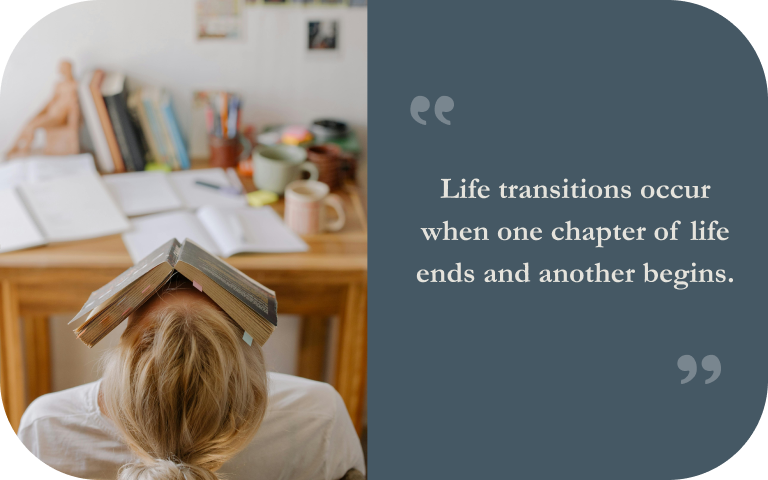
Life transitions occur when one chapter of life ends and another begins. They represent a significant change to who we are, and we can view this change as something positive, negative, or somewhere in between.
When a life transition supports our goals or feels manageable, it’s easy to see it as something positive. When it disrupts our plans or feels out of our control, it can seem negative, painful, or even traumatic.
In reality, most life transitions hold a mix of challenges and emotions, and with time, our perspective shifts as we learn and grow through them.
Reach out to Verdant Hope for the support and guidance you need to navigate life’s transitions and transform uncertainty into growth.
Life Transitions Meaning
Life transitions are more than just the surface-level changes that we see in daily life. In reality, they affect us on a much deeper level and push us to adapt, grow, and redefine who we are.
During life transitions, we’re forced to leave the comfort of our old lives and adapt quickly to what lies ahead. This process can feel overwhelming and confusing, but it also gives us the chance to grow, discover new strengths, and create the life we want next.
Examples of Life Transitions
Some common examples of life transitions include:
- Career changes or retirement
- Marriage, divorce, or becoming a parent
- Moving to a new place
- Losing a loved one
- Faith transitions
- Entering a new stage of life
In general, a life transition is any major change that reshapes our identity, routines, and the way we see ourselves in the world. Whether they’re expected or unexpected changes, they mark turning points that invite us to reflect on where we’ve been and where we’re heading next.
Navigating Life Transitions: A Few Guiding Practices
Navigating life transitions can be challenging, and it’s normal to feel uncertain or overwhelmed along the way. However, with a little time and self-compassion, it’s possible to move forward and find a new sense of balance.
Here are some ways to navigate life’s changes and move forward with confidence.
Connect With Your Support Systems
During times of change, leaning on the people around you can make a big difference. Friends, family, and mentors can offer perspective, encouragement, and practical help when you need it most.
Even small connections can provide comfort and reassurance. Sharing your experiences with others helps you process your feelings and reminds you that support is available.
Sometimes, the nature of the transition can leave people without their prior support systems. This can be incredibly difficult, especially in the case of estrangement from a former community. But even a move far from home or a new job can leave you floundering for community.
Maintaining — or building — a network of trusted people can make navigating change feel much more manageable. If you don’t know where to start on this journey, therapy can help identify opportunities for building supportive relationships you may not have known were there.

Practice Mindfulness
Mindfulness helps you stay present in the moment and reduce the stress that usually comes with change. Some examples of mindfulness include:
- Breathing exercises
- Meditation
- Yoga
- Journaling
- Practicing gratitude
- Going for walks
Mindfulness helps you stay centered as life shifts around you. By grounding yourself in the present, you can respond to challenges more clearly and thoughtfully.
Embrace Uncertainty
Change doesn’t always come with a clear roadmap. Accepting that uncertainty is part of the process allows you to move forward without being paralyzed by fear.
Seeing uncertainty as an opportunity rather than a threat can open the door to growth. Each new experience teaches you more about yourself and your resilience. Embracing the unknown can help you discover strengths you didn’t know you had.
Seek Therapy and Counseling
Professional support can provide the guidance you need when transitions feel overwhelming. Therapists and counselors offer tools to manage emotions and work through your unique challenges in a safe, structured space.
Certain therapies, like cognitive behavioral therapy (CBT), can also help you gain perspective and develop coping strategies that last beyond a single transition. Talking to someone who is trained to listen and support you can make navigating change less isolating. It’s a valuable step toward understanding yourself and your path forward.
You Are Not Alone
When we go through life transitions (even the “happy” ones), it’s normal to feel grief about losing our past life and anxiety about what may come next. Dealing with these difficult emotions is hard, but you don’t have to go through it alone.
At Verdant Hope, we’ll help you navigate change with greater clarity and confidence. We offer tools for managing stress, building resilience, and gently exploring new perspectives when life feels uncertain. Our team supports you in turning change into a foundation for a stronger future.
Reach out today to connect with a mental health professional at Verdant Hope and learn how we can help you navigate your life’s transitions.



Take the First Step
Your journey to better mental health starts here. Reach out today to connect with a mental health professional and take the first step toward the life you deserve.